
Fertility After Cancer Treatment: What To Expect
Aparna Raj | Nov 23, 2023, 09:30 IST |

Fertility After Cancer Treatment: What To Expect
Fertility after cancer treatment is an important aspect of survivorship that many overlook. In this article, we will explore the complexities of fertility for cancer survivors. We will offer guidance and hope for those embarking on the journey to parenthood post-treatment.
Fertility preservation and the potential for achieving parenthood after cancer treatment are critical considerations for individuals diagnosed with cancer, especially those of childbearing age. Cancer treatments such as chemotherapy, radiation therapy, and surgery can have varying effects on fertility. This makes it essential for patients to understand their options regarding fertility post-treatment. In this article, we will explore the complex topic of fertility after cancer treatment. We will offer insights into the impact of different treatments on reproductive health. We will also look at the available options to support people looking to build or expand their families in the wake of a cancer diagnosis.
Cancer treatments such as chemotherapy, radiation, and surgery can significantly affect a person's fertility. It is crucial to comprehend the potential consequences and their implications.
![chemotherapy]()
Chemotherapy drugs can damage eggs or sperm, leading to temporary or permanent infertility. The extent of damage depends on the type and dosage of chemotherapy received.
Radiation therapy may impact the ovaries or testes, affecting fertility. Surgical interventions can lead to structural changes in reproductive organs, impacting fertility potential.
Discuss fertility preservation options with your healthcare team before starting cancer treatment. Early planning offers the best chance to safeguard your fertility.
![egg freezing]()
Cryopreservation of eggs and sperm is a common fertility preservation method. It allows individuals to store their reproductive cells for future use.
For couples or those with a partner, embryo freezing is an option. Eggs are fertilized, and the resulting embryos are cryopreserved for later use.
Fertility can return post-treatment, though the time frame varies. Many cancer survivors can achieve natural conception without fertility treatments.
![IVF]()
In cases where natural conception is challenging, fertility treatments such as in vitro fertilization (IVF) may offer hope. Intrauterine insemination (IUI) is another option to consider.
Coping with fertility challenges can be emotionally taxing. Seek support through counselling and infertility support groups to navigate this journey.
After cancer treatment, a fertility evaluation can provide insight into your reproductive health. Tests may include hormone levels, ovarian reserve, and semen analysis.
![couple meeting fertility specialist]()
Consult a fertility specialist to discuss your fertilitystatus and explore potential treatment options. These experts can provide tailored guidance.
Oncofertility clinics specialize in the fertility needs of cancer survivors. They offer detailed care and support tailored to your unique situation.
Grieving the loss of fertility due to cancer treatment is a common emotional response. It is essential to acknowledge these feelings and seek support to navigate them.
![Quality Time]()
Infertility can strain relationships. Open communication and counselling can help couples navigate the emotional challenges often accompanying this journey.
Taking care of your emotional well-being is crucial. Engage in stress-reduction practices and self-care to maintain a positive outlook.
Adoption can be a beautiful path to parenthood for those who cannot conceive naturally or through fertility treatments.
![surrogacy]()
Surrogacy is another option that allows individuals or couples to have a biological child through the help of a surrogate mother.
For some cancer survivors, living child-free may be the choice that provides the most peace and fulfilment. It is important to respect and honor this decision.
Fertility after cancer treatment is a complex and often emotional journey. Survivors need to be informed about the impact of cancer treatment on fertility and the options available for preserving or rebuilding it. Through fertility preservation, fertility treatments, or alternative paths, hope is available for those who wish to embark on the transformative journey of parenthood after cancer. Your dreams of building a family are still within reach.
Fertility preservation and the potential for achieving parenthood after cancer treatment are critical considerations for individuals diagnosed with cancer, especially those of childbearing age. Cancer treatments such as chemotherapy, radiation therapy, and surgery can have varying effects on fertility. This makes it essential for patients to understand their options regarding fertility post-treatment. In this article, we will explore the complex topic of fertility after cancer treatment. We will offer insights into the impact of different treatments on reproductive health. We will also look at the available options to support people looking to build or expand their families in the wake of a cancer diagnosis.
1. The Impact of Cancer Treatment on Fertility
a. Understanding the Consequences
Cancer treatments such as chemotherapy, radiation, and surgery can significantly affect a person's fertility. It is crucial to comprehend the potential consequences and their implications.
b. Chemotherapy and Its Effects
chemotherapy
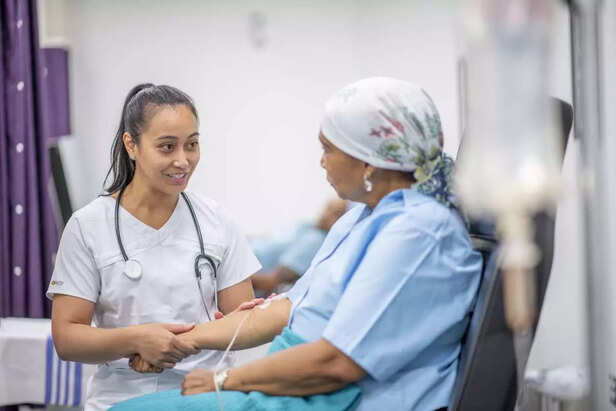
Chemotherapy drugs can damage eggs or sperm, leading to temporary or permanent infertility. The extent of damage depends on the type and dosage of chemotherapy received.
c. Radiation and Surgical Procedures
Radiation therapy may impact the ovaries or testes, affecting fertility. Surgical interventions can lead to structural changes in reproductive organs, impacting fertility potential.
2. Fertility Preservation Options
a. Timing Is Key
Discuss fertility preservation options with your healthcare team before starting cancer treatment. Early planning offers the best chance to safeguard your fertility.
b. Egg and Sperm Banking
egg freezing
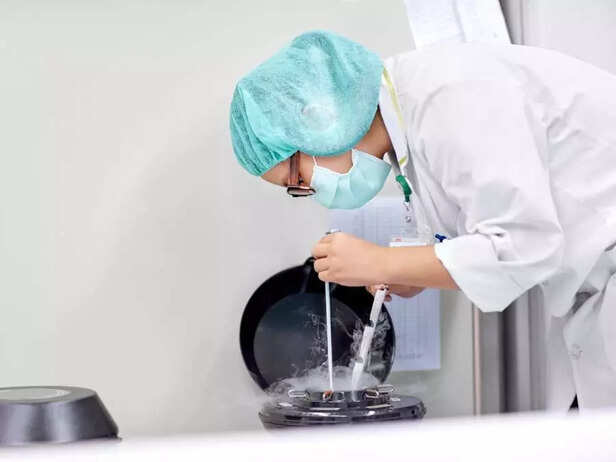
Cryopreservation of eggs and sperm is a common fertility preservation method. It allows individuals to store their reproductive cells for future use.
c. Embryo Freezing
For couples or those with a partner, embryo freezing is an option. Eggs are fertilized, and the resulting embryos are cryopreserved for later use.
3. Natural Conception and Infertility Treatments
a. Post-Treatment Conception
Fertility can return post-treatment, though the time frame varies. Many cancer survivors can achieve natural conception without fertility treatments.
b. Fertility Treatments
IVF
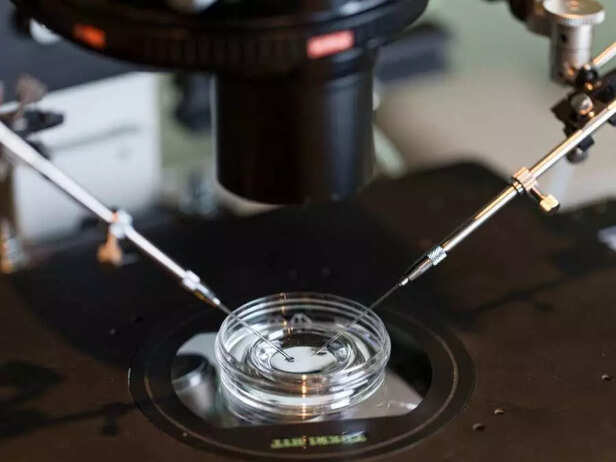
In cases where natural conception is challenging, fertility treatments such as in vitro fertilization (IVF) may offer hope. Intrauterine insemination (IUI) is another option to consider.
c. Counseling and Support
Coping with fertility challenges can be emotionally taxing. Seek support through counselling and infertility support groups to navigate this journey.
4. Assessing Fertility Status
a. Fertility Evaluation
After cancer treatment, a fertility evaluation can provide insight into your reproductive health. Tests may include hormone levels, ovarian reserve, and semen analysis.
b. Consulting a Fertility Specialist

couple meeting fertility specialist
Consult a fertility specialist to discuss your fertilitystatus and explore potential treatment options. These experts can provide tailored guidance.
c. Oncofertility Clinics
Oncofertility clinics specialize in the fertility needs of cancer survivors. They offer detailed care and support tailored to your unique situation.
5. Emotional and Psychological Aspects
a. Coping with Grief
Grieving the loss of fertility due to cancer treatment is a common emotional response. It is essential to acknowledge these feelings and seek support to navigate them.
b. Support for Relationships

Quality Time
Infertility can strain relationships. Open communication and counselling can help couples navigate the emotional challenges often accompanying this journey.
c. Preserving Emotional Well-being
Taking care of your emotional well-being is crucial. Engage in stress-reduction practices and self-care to maintain a positive outlook.
6. The Road to Parenthood
a. Adoption
Adoption can be a beautiful path to parenthood for those who cannot conceive naturally or through fertility treatments.
b. Surrogacy
surrogacy
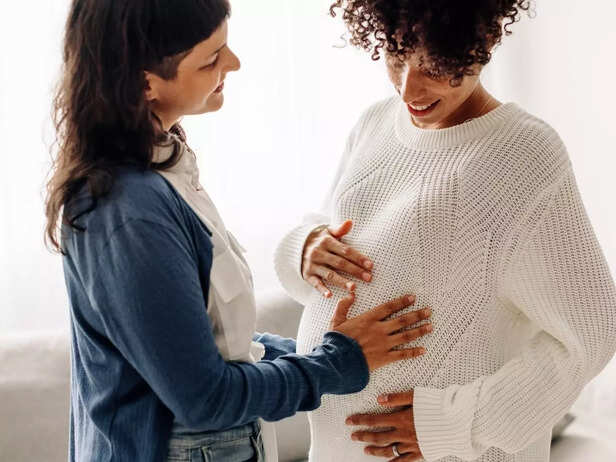
Surrogacy is another option that allows individuals or couples to have a biological child through the help of a surrogate mother.
c. Living Child-Free
For some cancer survivors, living child-free may be the choice that provides the most peace and fulfilment. It is important to respect and honor this decision.
Fertility after cancer treatment is a complex and often emotional journey. Survivors need to be informed about the impact of cancer treatment on fertility and the options available for preserving or rebuilding it. Through fertility preservation, fertility treatments, or alternative paths, hope is available for those who wish to embark on the transformative journey of parenthood after cancer. Your dreams of building a family are still within reach.