
The Importance Of Reading To Your Baby
Team Pregatips | Oct 25, 2023, 04:00 IST |

The Importance Of Reading To Your Baby
Welcoming a new baby into your life is a beautiful occasion filled with excitement, wonder, and a sense of responsibility. As parents, you strive to provide the best possible foundation for our children's growth and development. Reading to your babies is one of the most powerful tools in your parenting journey. In this article, we will explore the significance of reading to your baby, its benefits, and tips on making reading a part of your child's life.
This article into the benefits of this simple yet significant activity. Beyond the cosy moments shared between parent and child, reading aloud builds cognitive growth, language acquisition, and emotional bonding. Even before a child can grasp the nuances of words or images, language's rhythms, tones, and patterns lay the groundwork for future literacy skills. They also contribute to the development of cognitive skills. This cements reading as an invaluable tool in nurturing a baby's budding potential.
Introducing reading early familiarises babies with language sounds and patterns.
![The Book Lover]()
Reading diversifies vocabulary, solidifying foundational language skills for babies.
Books help with cognitive growth, enhancing memory, analytical thinking, and problem-solving.
Shared reading builds intimate bonding moments, reinforcing parent-child connections.
![mother reading to toddler]()
Consistent reading rituals with caregivers reinforce babies' feelings of trust and safety.
Through engaging narratives and interactions, babies learn to recognise and understand emotions.
Books ignite babies' inquisitiveness about their surroundings, nurturing a passion for knowledge.
![mother reading to child]()
Storytelling enhances imaginative thinking, building creativity and innovation in babies.
Reading diverse books broadens babies' horizons, familiarising them with varied cultures and viewpoints.
Reading out loud familiarises babies with distinct language sounds, important for reading proficiency.
![Mother helping toddler studying]()
Indicating words and illustrations helps babies understand print concepts and textual context.
Early letter and word exposure solidifies foundational reading capabilities for babies.
Craft a snug reading space for immersive and comfortable book sessions.
![mother and child studying]()
Pick books tailored to your baby's developmental phase and interests.
Integrate consistent reading intervals into daily activities for structured literary exposure.
Enhance engagement by prompting discussions, highlighting visuals, and promoting active involvement.
![Father reading aloud to child]()
Utilise animated tones and facial expressions to explain stories for babies.
Voicing stories, even when babies cannot understand, enriches their auditory experience.
Adapt reading materials in sync with your baby's growth, from tactile books to detailed narratives.
![parents reading with child]()
Introduce older babies to libraries and bookshops, broadening their literary experiences.
Cultivate self-reliant reading habits as babies mature, fueling their love for books.
Devise techniques to sustain engagement during reading, catering to fleeting baby attentions.
![mother putting the child to sleep]()
Recognise and address potential reading aversions, ensuring a delightful experience.
Modify reading practices aligning with babies' evolving preferences and necessities.
Cultivating early reading habits propels babies toward an enduring appreciation for literature.
![mother and daughter reading]()
Persistent reading has lasting benefits, from scholastic achievements to refined communicative aptitudes.
Revisit the joy of immortal memories crafted through collaborative reading moments with your baby.
Reading to your baby is of utmost importance. It is a gift that keeps giving, nurturing their cognitive, emotional, and social development while creating a lifelong love for books and learning. As you embark on this wonderful journey of parenthood, remember that each story you share, each page you turn, is an investment in your child's future. Reading to your baby is not just about words on a page; it is about building a strong foundation for a lifetime of discovery and wonder.
This article into the benefits of this simple yet significant activity. Beyond the cosy moments shared between parent and child, reading aloud builds cognitive growth, language acquisition, and emotional bonding. Even before a child can grasp the nuances of words or images, language's rhythms, tones, and patterns lay the groundwork for future literacy skills. They also contribute to the development of cognitive skills. This cements reading as an invaluable tool in nurturing a baby's budding potential.
1. Building the Foundation for Literacy
a. Early Exposure to Language
Introducing reading early familiarises babies with language sounds and patterns.
b. Vocabulary Development

The Book Lover
Reading diversifies vocabulary, solidifying foundational language skills for babies.
c. Cognitive Development
Books help with cognitive growth, enhancing memory, analytical thinking, and problem-solving.
2. Bonding Through Reading
a. Quality Time Together
Shared reading builds intimate bonding moments, reinforcing parent-child connections.
b. Building Trust and Security

mother reading to toddler
Consistent reading rituals with caregivers reinforce babies' feelings of trust and safety.
c. Emotional Connection
Through engaging narratives and interactions, babies learn to recognise and understand emotions.
3. Stimulating Curiosity and Imagination
a. Encouraging Curiosity
Books ignite babies' inquisitiveness about their surroundings, nurturing a passion for knowledge.
b. Igniting Imagination
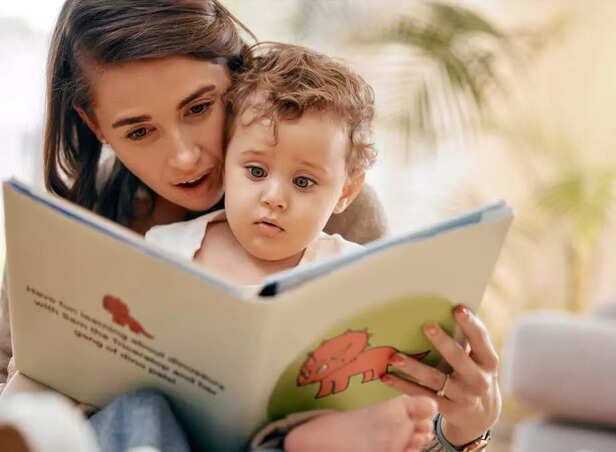
mother reading to child
Storytelling enhances imaginative thinking, building creativity and innovation in babies.
c. Exposure to Diversity
Reading diverse books broadens babies' horizons, familiarising them with varied cultures and viewpoints.
4. Early Literacy Skills
a. Phonemic Awareness
Reading out loud familiarises babies with distinct language sounds, important for reading proficiency.
b. Print Awareness

Mother helping toddler studying
Indicating words and illustrations helps babies understand print concepts and textual context.
c. Letter Recognition
Early letter and word exposure solidifies foundational reading capabilities for babies.
5. Creating a Reading Routine
a. Setting a Reading Environment
Craft a snug reading space for immersive and comfortable book sessions.
b. Choosing Age-Appropriate Books

mother and child studying
Pick books tailored to your baby's developmental phase and interests.
c. Establishing a Routine
Integrate consistent reading intervals into daily activities for structured literary exposure.
6. Tips for Engaging Reading Sessions
a. Interactive Reading
Enhance engagement by prompting discussions, highlighting visuals, and promoting active involvement.
b. Expressive Reading

Father reading aloud to child
Utilise animated tones and facial expressions to explain stories for babies.
Voicing stories, even when babies cannot understand, enriches their auditory experience.
7. Making Reading a Lifelong Habit
a. Gradual Progression
Adapt reading materials in sync with your baby's growth, from tactile books to detailed narratives.
b. Visiting Libraries and Bookstores

parents reading with child
Introduce older babies to libraries and bookshops, broadening their literary experiences.
c. Encouraging Independent Reading
Cultivate self-reliant reading habits as babies mature, fueling their love for books.
8. Overcoming Challenges
a. Short Attention Spans
Devise techniques to sustain engagement during reading, catering to fleeting baby attentions.
b. Reading Resistance

mother putting the child to sleep
Recognise and address potential reading aversions, ensuring a delightful experience.
c. Flexibility and Patience
Modify reading practices aligning with babies' evolving preferences and necessities.
9. The Gift of a Lifetime
a. A Lifelong Love for Reading
Cultivating early reading habits propels babies toward an enduring appreciation for literature.
b. Lifelong Benefits

mother and daughter reading
Persistent reading has lasting benefits, from scholastic achievements to refined communicative aptitudes.
c. Treasured Memories
Revisit the joy of immortal memories crafted through collaborative reading moments with your baby.
Reading to your baby is of utmost importance. It is a gift that keeps giving, nurturing their cognitive, emotional, and social development while creating a lifelong love for books and learning. As you embark on this wonderful journey of parenthood, remember that each story you share, each page you turn, is an investment in your child's future. Reading to your baby is not just about words on a page; it is about building a strong foundation for a lifetime of discovery and wonder.
This article is approved by Dr. Sameera S Rao, Consultant - Paediatrician and Neonatologist, Motherhood Hospitals.
Previous StoryExploring The Concept Of Object Permanence For Babies
Next Story Baby's First Laugh: A Heartwarming Milestone