
Understanding Newborn Eye Movement And Milestones
Aparna Raj | Aug 31, 2023, 06:00 IST |

Understanding Newborn Eye Movement And Milestones
Early childhood development is a phase with remarkable milestones. When babies start tracking objects with their eyes, they experience some of the most fascinating moments. The development of vision is significantly improved by this simple yet complex skill. In this article, we explore the intriguing process of newborn eye movement, including their significance, stages, and methods for supporting them.
The development of a newborn's visual talents, particularly their capacity to track objects with their eyes, is one of the many life milestones. This article explores this crucial stage of ocular maturation, which represents the development of the baby's eyes and brain working together. Infants eventually master this skill, demonstrating their developing visual understanding. Additionally, it serves as a foundational building block for motor and mental skills.. This article will serve as the perfect guide with knowledge about this development, and how parents can help their newborns during this exciting visual journey.
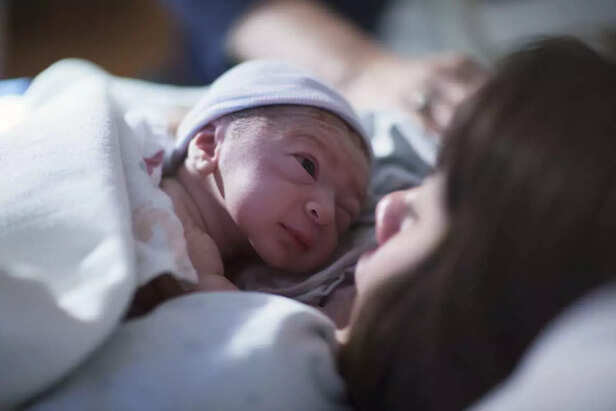
It is a remarkable achievement when infants can track objects with their eyes as it shows the integration of their visual and motor skills.
![newborn looking at mother]()
This developmental milestone sets the groundwork for a baby's capacity to explore the world around them. It also encourages their engagement with the environment.
In the earliest weeks, newborns' eyes might wander briefly, but they are still developing the ability to fix their gaze on objects.
![child looking at mother]()
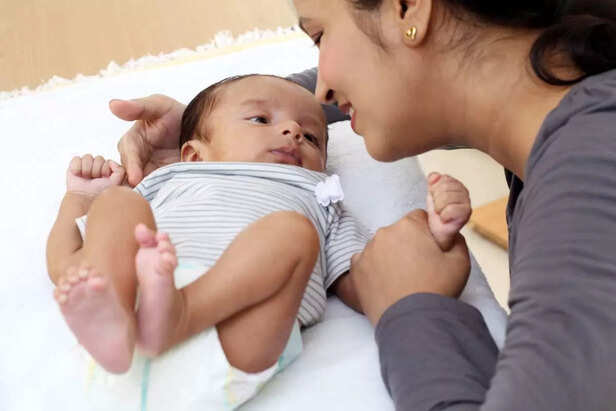
During this period, babies follow slow-moving objects with their eyes. Their tracking abilities become more deliberate and coordinated as they grow.
By this stage, babies' eye movements have become smoother and more accurate. They can track objects across a broader range of motion.
Visual tracking plays an important role in enhancing mental development. It helps babies recognize patterns, shapes, and spatial relationships.
![child holding mother's hand]()
Tracking objects with the eyes contributes to developing fine motor skills, as it requires coordination between the eyes and the brain.
Visual tracking forms the basis for visual processing skills, enabling babies to make sense of the world around them through their visual experiences.
Provide babies with high-contrast patterns and toys to capture their attention and encourage them to track their movement.
![child looking at mother]()
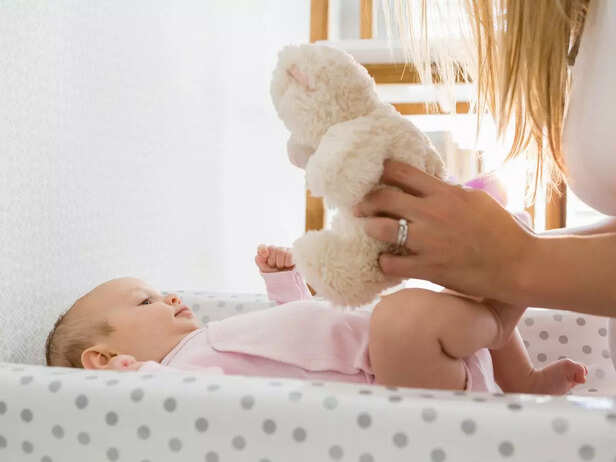
Engage babies with slow and deliberate movements of objects, allowing them to focus and track without feeling overwhelmed.
Interact with your baby by moving your face slowly from side to side. This promotes eye contact and encourages them to track your movements.
Smooth, coordinated eye movements that follow the object's motion characterize healthy visual tracking.
![newborn holding mother's finger]()
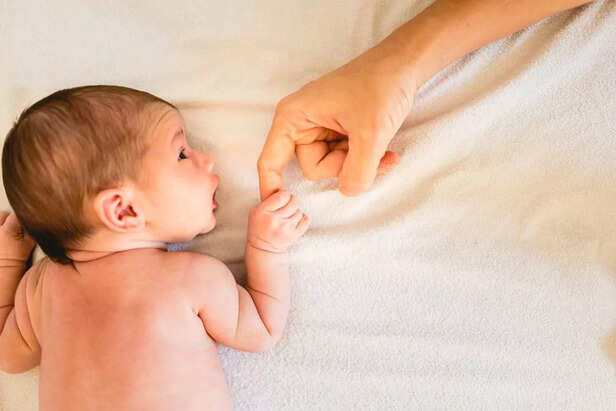
As babies progress, their ability to visually track objects contributes to improving eye-hand coordination.
Babies showing an interest in tracking objects indicates their growing curiosity and engagement with their surroundings.
Remember that babies develop independently. So, object tracking starts at different age phases for different babies.
![doctor checking weight of the baby]()
If you notice continuous difficulty or lack of interest in tracking objects by a certain age, it is advisable to consult a pediatrician or an eye specialist.
Engage in playful interactions that involve moving objects within your baby's field of vision, encouraging them to track and follow.
![child looking at the toy]()
Introduce age-appropriate toys with contrasting colours and simple patterns. These will capture your baby's attention and stimulate their visual tracking..
Tracking objects with eyes is an exciting journey that newborns embark upon in their early days. This basic skill reflects their growing visual abilities and lays the foundation for mental and physical growth. By understanding the stages, importance, and ways to support this process, caregivers can create an environment that encourages healthy visual tracking. This also helps build your baby's exploration and engagement with the world around them.
The development of a newborn's visual talents, particularly their capacity to track objects with their eyes, is one of the many life milestones. This article explores this crucial stage of ocular maturation, which represents the development of the baby's eyes and brain working together. Infants eventually master this skill, demonstrating their developing visual understanding. Additionally, it serves as a foundational building block for motor and mental skills.. This article will serve as the perfect guide with knowledge about this development, and how parents can help their newborns during this exciting visual journey.
1. The Wonder of Newborn Eye Movement
a. Unveiling the Skill
It is a remarkable achievement when infants can track objects with their eyes as it shows the integration of their visual and motor skills.
b. Developing Visual Tracking
newborn looking at mother
This developmental milestone sets the groundwork for a baby's capacity to explore the world around them. It also encourages their engagement with the environment.
2. Stages of Tracking Objects with Eyes
a. Birth to One Month
In the earliest weeks, newborns' eyes might wander briefly, but they are still developing the ability to fix their gaze on objects.
b. One to Two Months
child looking at mother
During this period, babies follow slow-moving objects with their eyes. Their tracking abilities become more deliberate and coordinated as they grow.
c. Two to Three Months
By this stage, babies' eye movements have become smoother and more accurate. They can track objects across a broader range of motion.
3. The Importance of Visual Tracking
a. Cognitive Development
Visual tracking plays an important role in enhancing mental development. It helps babies recognize patterns, shapes, and spatial relationships.
b. Motor Skills

child holding mother's hand
Tracking objects with the eyes contributes to developing fine motor skills, as it requires coordination between the eyes and the brain.
c. Visual Processing
Visual tracking forms the basis for visual processing skills, enabling babies to make sense of the world around them through their visual experiences.
4. Supporting Newborn Eye Movement
a. High-Contrast Stimuli
Provide babies with high-contrast patterns and toys to capture their attention and encourage them to track their movement.
b. Slow and Steady Movements
child looking at mother
Engage babies with slow and deliberate movements of objects, allowing them to focus and track without feeling overwhelmed.
c. Face-to-Face Interaction
Interact with your baby by moving your face slowly from side to side. This promotes eye contact and encourages them to track your movements.
5. Signs of Healthy Visual Tracking
a. Smooth Eye Movements
Smooth, coordinated eye movements that follow the object's motion characterize healthy visual tracking.
b. Eye-Hand Coordination
newborn holding mother's finger
As babies progress, their ability to visually track objects contributes to improving eye-hand coordination.
c. Engagement with Environment
Babies showing an interest in tracking objects indicates their growing curiosity and engagement with their surroundings.
6. When to Seek Professional Advice
a. Variability in Development
Remember that babies develop independently. So, object tracking starts at different age phases for different babies.
b. Signs of Concern
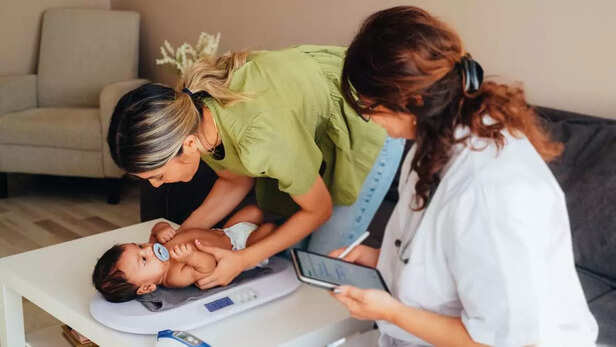
doctor checking weight of the baby
If you notice continuous difficulty or lack of interest in tracking objects by a certain age, it is advisable to consult a pediatrician or an eye specialist.
7. Creating a Stimulating Environment
a. Playful Interactions
Engage in playful interactions that involve moving objects within your baby's field of vision, encouraging them to track and follow.
b. Visual Toys
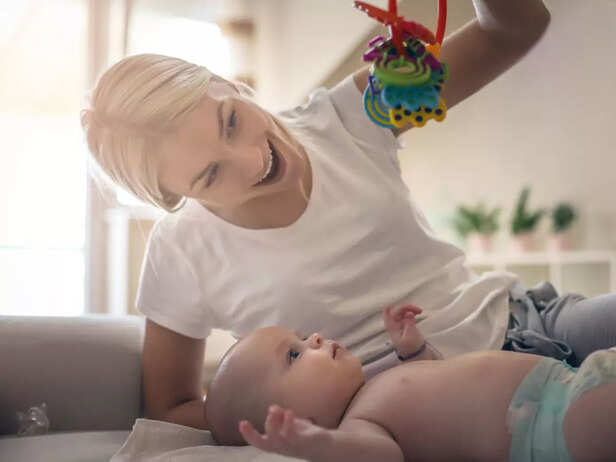
child looking at the toy
Introduce age-appropriate toys with contrasting colours and simple patterns. These will capture your baby's attention and stimulate their visual tracking..
Tracking objects with eyes is an exciting journey that newborns embark upon in their early days. This basic skill reflects their growing visual abilities and lays the foundation for mental and physical growth. By understanding the stages, importance, and ways to support this process, caregivers can create an environment that encourages healthy visual tracking. This also helps build your baby's exploration and engagement with the world around them.
This article is approved by Dr Amit Gupta, Senior Consultant Paediatrician & Neonatologist, Motherhood Hospital.
Previous StoryBaby's First Laugh: A Heartwarming Milestone